Buying a Commercial Truck in Australia: What to Know Before You Commit
Introduction
Purchasing a commercial truck is a major business investment — and getting it right from the start can impact your productivity, safety, and bottom line. Whether you’re expanding a fleet or buying your first truck, it’s important to understand what to look for and how to make a smart, long-term choice.
This guide breaks down the essentials of buying a commercial truck in Australia, so you can purchase with confidence.
Define Your Needs Clearly
Start with your use case. What are you hauling? How far are you travelling? Consider:
- Payload capacity required
- Frequency of use (daily, weekly, seasonal)
- Typical load weight and dimensions
- On-road vs off-road requirements
- State-based road regulations and compliance
Choosing a truck too small will limit your capacity. Too large, and you risk overcapitalising or facing unnecessary operational costs.
Consider Truck Types and Configurations
Common categories include:
- Light-duty trucks: Ideal for last-mile delivery and metro use
- Medium-duty trucks: Balance of payload and agility, good for trades or construction
- Heavy-duty trucks: Best for freight, interstate transport, or large-scale logistics
Also think about body types — tray, tipper, refrigerated, pantech — and whether you need 4×2, 6×4, or other axle setups.
Understand Compliance Requirements
Australia has strict regulations when it comes to commercial vehicles. Make sure your truck:
- Meets ADR (Australian Design Rules)
- Is road-legal in your state or territory
- Complies with NHVR (National Heavy Vehicle Regulator) guidelines, if applicable
- Includes load restraint systems and safety equipment as required
It’s also worth checking licence requirements (e.g. LR, MR, HR) depending on the truck’s GVM.
Evaluate Running Costs
Upfront cost isn’t everything. Also consider:
- Fuel efficiency and type (diesel, hybrid, electric)
- Scheduled servicing intervals and typical maintenance costs
- Availability of parts and qualified service centres
- Insurance and registration fees
A truck that’s cheaper to run over time will deliver far better ROI.
Check Warranty and Support Options
Never overlook after-sales support. A reliable dealer should offer:
- Clear warranty terms (e.g. 3–5 years or km-based)
- Nationwide service coverage
- Access to genuine parts and roadside assistance
- Transparent servicing plans
Foton Motor Australia backs every truck with real support — not just a sale.
Finance vs Outright Purchase
Commercial vehicle finance can help manage cash flow. Compare:
- Lease vs hire purchase
- Balloon payment options
- Fixed vs flexible terms
- Eligibility for instant asset write-offs (if applicable under ATO rules)
Speak to your accountant or finance broker to choose the right path for your business.
Don’t Forget Resale Value
Choose a model with a proven reputation for:
- Durability
- Easy servicing
- Brand recognition in the resale market
Trucks from trusted manufacturers like Foton hold their value well and appeal to future buyers or fleet managers.
Conclusion
Buying a commercial truck in Australia is about more than just price — it’s about matching the right vehicle to your business operations, budget, and long-term plans. Take the time to evaluate your needs, understand compliance, and partner with a dealer that puts your success first.
At Foton Motor Australia, we specialise in helping businesses make the right vehicle choices — with expert advice, flexible finance, and national support to back it up.
Electric Trucks in Australia: Are They Ready for Your Fleet?
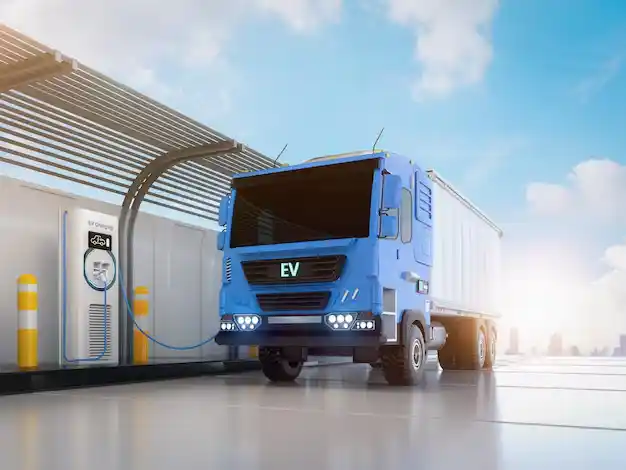
Electric vehicles (EVs) are no longer just for personal use. The Australian trucking industry is now exploring the shift to electric, especially for urban delivery and last-mile logistics. But are electric trucks a viable alternative for your business?
Why Electric Trucks Are Gaining Momentum
With rising fuel costs, tougher emission regulations, and climate-conscious consumers, electric trucks are becoming an attractive option. Government incentives and innovations in battery technology have made electric fleets more practical than ever before.
Benefits of Electric Trucks for Businesses
Lower Running Costs
Electric trucks have fewer moving parts, meaning less servicing and lower long-term maintenance costs. Charging is also cheaper than refuelling with diesel.
Zero Tailpipe Emissions
With cities like Sydney and Melbourne tightening emissions standards, EVs help businesses comply with environmental regulations.
Quiet Operation
Quieter vehicles reduce noise pollution in urban areas and improve conditions for drivers working long hours.
Government Support
Incentives, rebates, and reduced registration fees in certain states support early adopters of EV technology.
Top Electric Trucks Entering the Australian Market
SEA Electric
Australian-based manufacturer offering electric conversions for popular Isuzu and Hino chassis. A great option for fleets looking to go green with familiar platforms.
Foton iBlue EV Trucks
Globally recognised for its fully electric light-duty trucks. Known for affordability and practical range suited for short-haul city deliveries.
Volvo FE Electric
Designed for medium-duty urban distribution. Offers a quiet and powerful driving experience with premium build quality.
Challenges to Consider
Limited Charging Infrastructure
While growing, Australia’s commercial EV charging network is still catching up—especially outside metro areas.
Initial Purchase Price
EVs tend to cost more upfront, though savings over time often justify the investment.
Payload vs Battery Weight
Batteries add weight, which can reduce payload capacity. Businesses must assess whether EVs meet daily load requirements.
Fleet Integration Strategy
Start small. Trial one or two electric trucks on predictable routes. Track metrics like uptime, cost per km, and driver feedback before expanding.
Conclusion
Electric trucks are no longer a distant future—they’re here. For the right business, especially those operating in metro areas, electric trucks can reduce costs and build a greener brand image. With manufacturers like Foton and SEA Electric leading the way, now is the time to start planning your EV transition.

Top Truck Maintenance Tips to Keep Your Fleet Running Smoothly
A well-maintained truck doesn’t just save money—it protects your drivers, improves delivery reliability, and prolongs vehicle life. Whether you manage a single vehicle or an entire fleet, proper truck maintenance is vital for smooth operations in Australia’s demanding transport conditions.
Benefits of Regular Maintenance
Routine maintenance ensures your trucks remain safe, roadworthy, and fuel-efficient. It reduces the risk of unexpected breakdowns, cuts repair costs, and helps retain resale value. Plus, for businesses under compliance obligations, maintenance keeps you legally protected.
Essential Truck Maintenance Tips
1. Perform Daily Inspections
Drivers should check tyres, lights, fluid levels, and brakes before hitting the road. Early detection of issues prevents bigger problems down the line.
2. Stick to a Service Schedule
Follow the manufacturer’s recommended intervals for oil changes, filter replacements, and system checks. Schedule services during off-peak hours to minimise disruptions.
3. Monitor Tyre Condition and Pressure
Underinflated or worn tyres reduce fuel efficiency and increase the risk of blowouts. Rotate tyres regularly and maintain optimal pressure based on load requirements.
4. Check Suspension and Brakes
Trucks endure heavy loads daily. Watch for signs like uneven tyre wear, brake noise, or excessive vibration. Address these before they become safety hazards.
5. Keep the Engine Clean and Tuned
A well-maintained engine uses fuel efficiently and runs smoother. Clean air filters, replace spark plugs, and flush the coolant system as needed.
6. Maintain Battery Health
Cold starts, frequent idling, and long trips can drain truck batteries. Inspect terminals for corrosion and test voltage during servicing.
7. Use Quality Fuel and Fluids
Stick to recommended diesel types and ensure brake, transmission, and coolant fluids are topped up and clean. Cheap alternatives may harm performance.
8. Document All Maintenance
Keep detailed records of every inspection and repair. This helps with audits, warranty claims, and understanding your fleet’s health trends.
Common Pitfalls to Avoid
- Skipping routine checks to save time
- Using non-genuine parts that affect performance
- Overloading trucks, which strains multiple systems
Conclusion
Smart maintenance isn’t optional—it’s an operational strategy. When your trucks are dependable, your customers receive goods on time and your business builds trust. Invest in upkeep now to avoid paying more in downtime later.
How to Choose the Right Light-Duty Truck for Your Business
Finding the right light-duty truck isn’t just about price or appearance. For small businesses and logistics operators, it’s about long-term reliability, payload efficiency, comfort, and service access. Whether you’re expanding your fleet or replacing a vehicle, choosing the right model can directly affect daily operations and costs.
What Is a Light-Duty Truck?
A light-duty truck typically weighs under 4.5 tonnes GVM and is designed for urban deliveries, small-scale logistics, and trades. Think of models like the Foton Tunland, Isuzu N-Series, or Toyota HiLux cab chassis. They offer a balance between load capacity and fuel efficiency without needing a heavy vehicle licence.
Key Factors to Consider When Buying
Payload Capacity
Understand how much weight you need to carry daily. Overloading a truck can reduce lifespan and lead to compliance issues.
Fuel Efficiency
Light-duty trucks should offer decent mileage, especially if used for city driving. Diesel engines with Euro 5/6 standards are a smart pick.
Cab Design and Comfort
Driver fatigue affects productivity. Look for ergonomic seating, air conditioning, easy controls, and tech integration like Bluetooth or navigation.
Tray Configuration
Does your business need a tipper, flatbed, refrigerated box, or canopy? Customisation options can make a huge difference in utility.
Service and Support
A reliable service network with easy access to parts ensures fewer breakdowns and faster maintenance turnaround.
Popular Models in Australia
Foton Tunland G7
An affordable option for tradespeople, with solid build quality, impressive fuel economy, and growing after-sales support across Australia.
Isuzu NLR 45-150
One of the best-selling city trucks in Australia. Offers a tight turning radius, great payload options, and unmatched reliability.
Hino 300 Series
Offers class-leading safety features, smart connectivity, and custom body options for different industries.
Mistakes to Avoid
- Choosing a truck without considering future growth
- Ignoring total cost of ownership (servicing, parts, resale)
- Buying purely based on price without understanding limitations
Final Advice
Choosing the right light-duty truck means understanding your daily workload, driving conditions, and budget. With smart selection, your truck won’t just transport goods—it’ll become a key asset in your business growth.